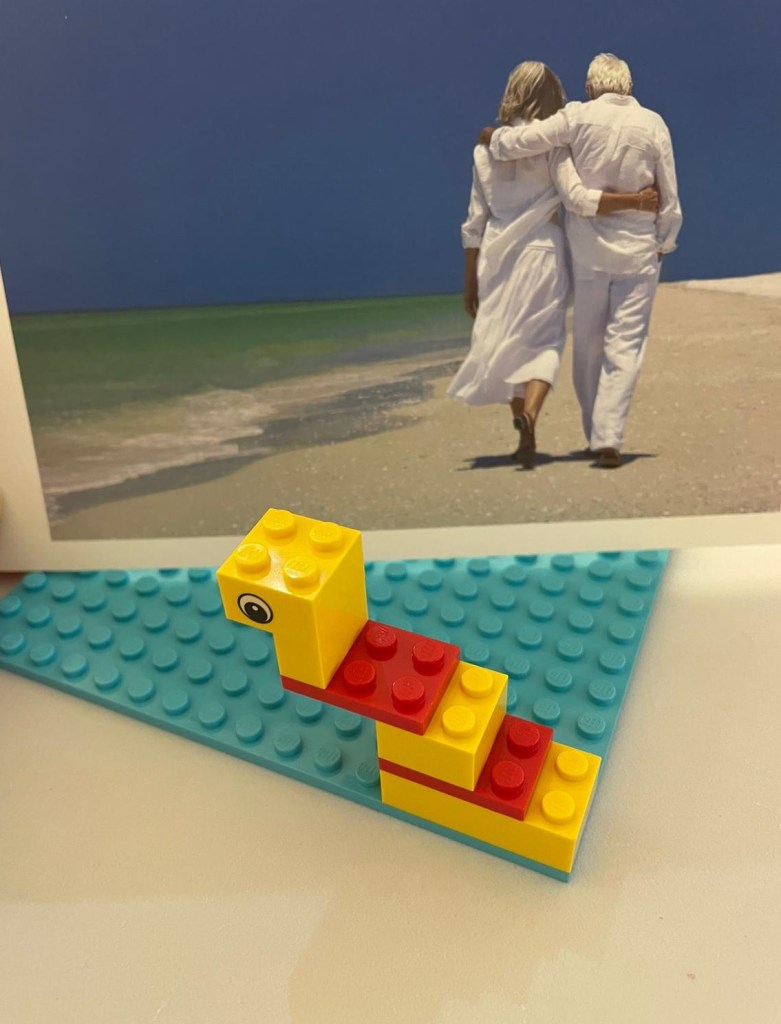
Self-stigma is like an invisible mark of shame that a person put on himself. It is one of the most significant challenges in mental health that affects various aspects of a person’s life.
In the group session today, participants have been experiencing labeling and discrimination from people around them. Many feel obligated to seek help and support yet being able to come out is actually challenging to them due to the fear of stereotyping and devaluing.
By using Lego bricks with photo cards, they shared the way how they would like to see themselves and the elements that deems importantly to their recovery. When they gradually accept their condition and knowing that they are just human beings who are going through a hard time, many of them regain the energy to focus more on their strengths as well as to embrace their limitations.
“I picked this photo as I value those who are willing to walk along with me during my recovery journey. I wish to become a sea turtle who is strong and patient enough to walk with other people, to share their tears and happiness, and to shoulder their burden.” One participant described about his “model”. It is important, wonderful and comforting to know that they are not alone in the struggle.
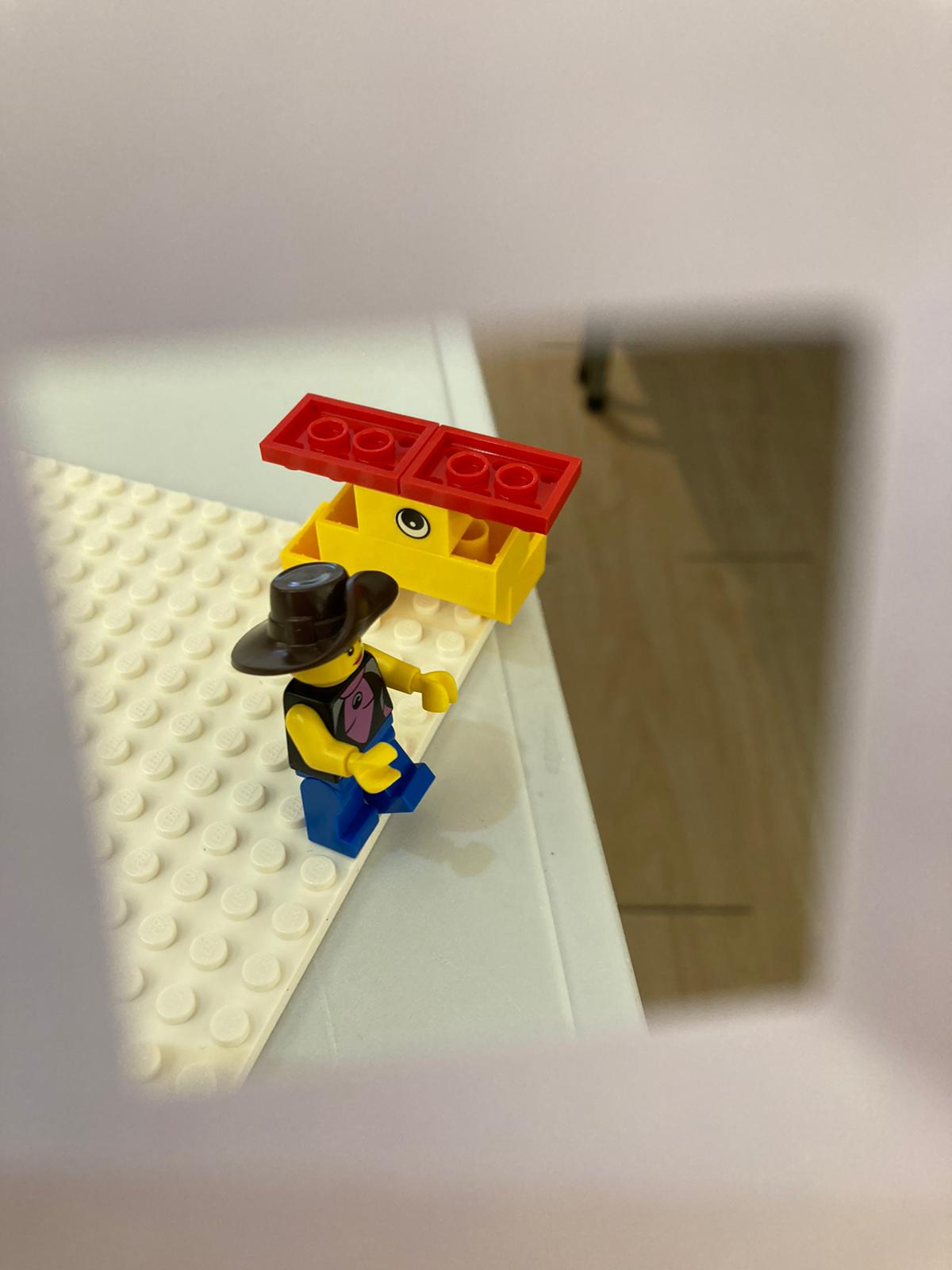

Left: I ‘m like an octopus, trying to use my legs to explore the world … … Luckily I have a social worker who always gives me courage and support to face the “unknown”.
Right: I need companion while I can be a good companion for others during the journey of recovery.
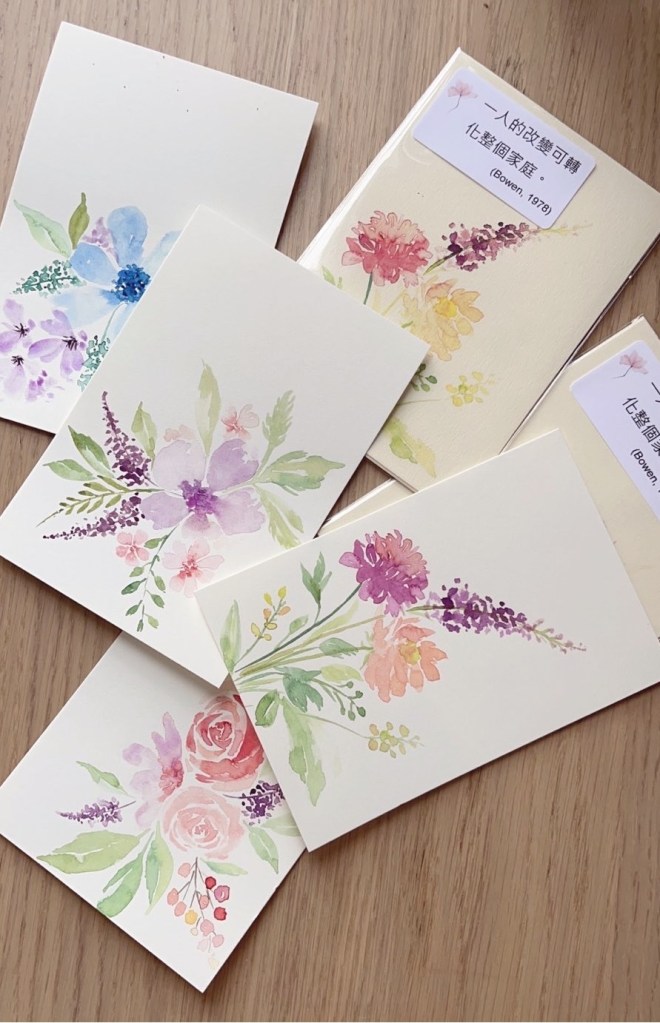
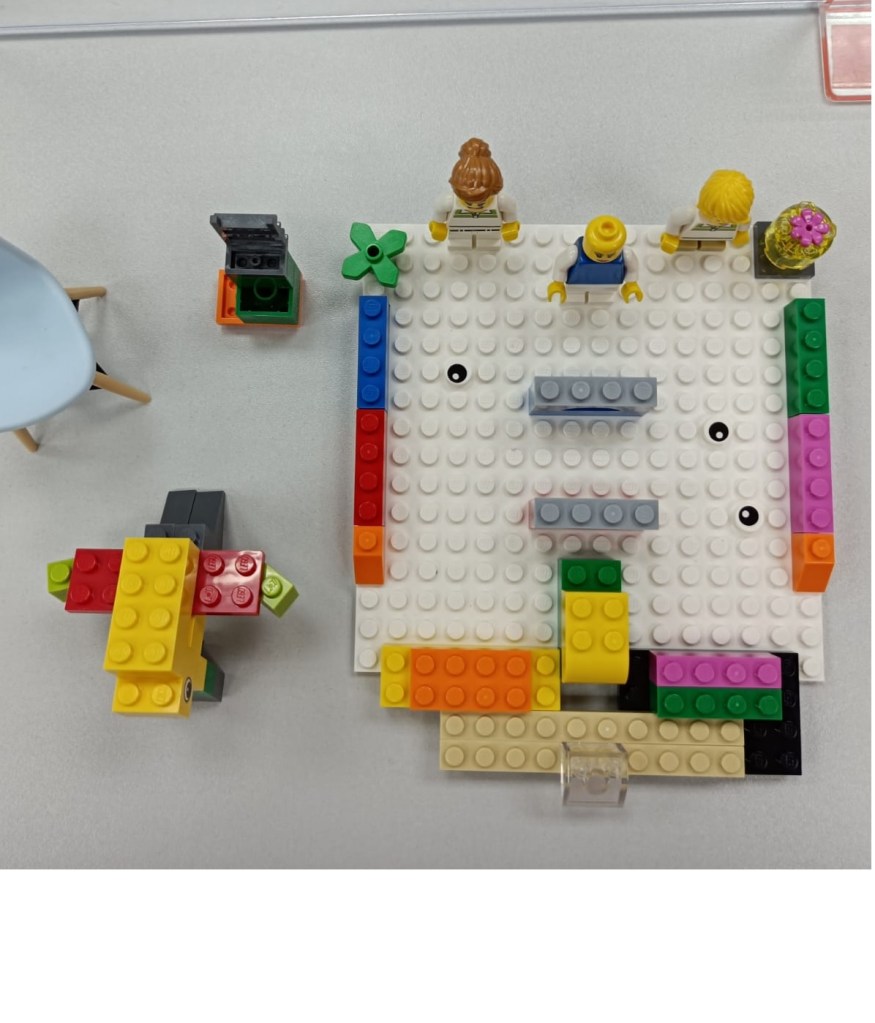
 Bouquet de Lifescape